Your Cart (0)
Your cart is empty
Tax included and shipping calculated at checkout
Drawer menu
Tax included and shipping calculated at checkout

Last Updated: September 28, 2026
Choosing which sewing machine retailers to buy from matters as much as choosing the machine itself. The retailer you select determines whether you get expert guidance before purchase, reliable support after delivery, and access to the accessories that keep your machine running smoothly.
Many quilters discover this the hard way: they find a great deal online, then realize they have no one to call when tension issues arise or when they need specialized presser feet. This is where a kens sewing center alternative for quilters becomes essential.
At Stitch Pro Supply, we understand that quilters need more than just a machine: a retailer who educates before selling, stocks required accessories, and answers technical questions when problems emerge. The machines below represent different skill levels and budgets, but all are backed by retailers who actually support quilters.
Below, we'll walk you through the best options available today, what makes each one suitable for different quilters, and how to evaluate any retailer before making your purchase.
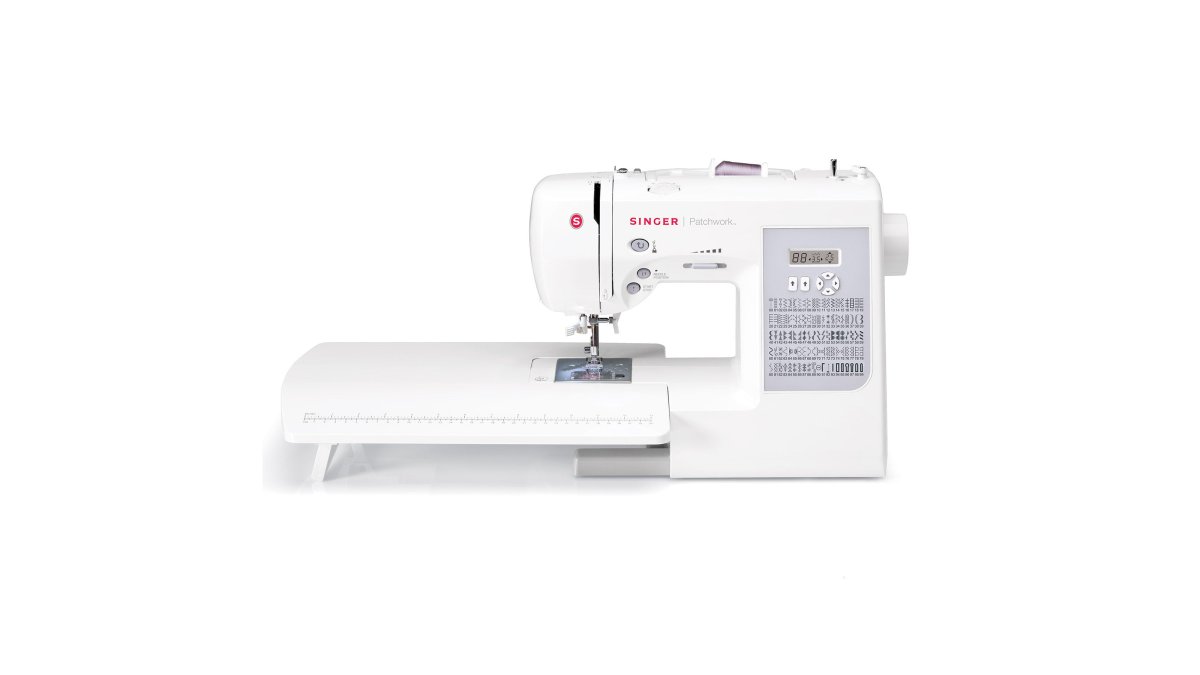
The SINGER Patchwork 7285Q is built specifically for quilters who are starting out or working with a limited budget. At $279.99, it's the most accessible entry point on this list, and it doesn't sacrifice the features quilters actually need.

This machine delivers 203 stitch applications. The programmable needle up/down feature is essential for quilting, it lets you stop with the needle down, pivot corners easily, and maintain control during free-motion work. The 5.5-inch throat space is reasonable for beginners, though tighter than mid-range alternatives.
The LCD screen and automatic stitch selection remove guesswork and save time when learning. Adjustable stitch length and width let you customize when needed, and the speed control lever puts free-motion quilting within reach for beginners.
The removable storage compartment gives access to the free arm for smaller projects and curved edges. For budget-conscious quilters or those testing the hobby, this machine delivers solid performance.
| Feature | Specification |
|---|---|
| Price | $279.99 |
| Stitch Applications | 203 |
| Throat Space | 5.5 inches |
| Needle Up/Down | Programmable |
| Screen | LCD with stitch preview |
| Best For | Budget-conscious beginners |
The HUSQVARNA VIKING OPAL 690Q at $1,899.00 is for quilters past basics who want technology to handle technical work while they focus on design.

The EXCLUSIVE SENSOR SYSTEM continuously senses fabric thickness and automatically adjusts feeding, foot lift, pivot, and pressure. For quilters working with batting and multiple layers, this is a genuine time-saver.
The 8-inch sewing surface and long arm provide room for large projects. The automatic thread cutter and bobbin thread sensor eliminate frustration during production work.
The SEWING ADVISOR feature automatically sets tension, stitch length, and presser foot pressure based on your chosen technique and fabric type. The machine includes 208 stitches with 7mm stitch width options and quilt-specific patterns.
Three LED lights reduce shadows during long quilting sessions. This machine bridges budget and premium models with genuine technical advantages at a mid-range price.
The HUSQVARNA VIKING TOPAZ 55Q at $3,999.00 is for advanced quilters and professionals who produce quilts regularly and want the latest technology.

CREATIVATE Connectivity is the defining feature, a wireless system that sends embroidery designs directly to the machine and provides automatic updates. For quilters who also do embroidery, this ecosystem is genuinely useful.
The JoyOS ADVISOR feature guides you through sewing techniques, automatically sets optimal settings, and includes interactive tutorials built into the machine.
The 7-inch capacitive touchscreen and automatic needle threader save time on every thread change. For production quilters, these efficiencies compound.
For quilters invested in the craft who want technology supporting advanced techniques, the connectivity features and automation justify the premium price.
Selecting a retailer is as important as selecting a machine. The wrong dealer leaves you stranded when technical issues arise, while the right one becomes a resource throughout your quilting journey.
SINGER® Patchwork 7285Q Sewing & →
Evaluate technical support responsiveness by contacting the retailer with a specific machine question. A good dealer answers your actual question and troubleshoots issues before they become expensive problems.
Check whether the retailer stocks accessories and presser feet. A machine is only as useful as the accessories available for it. Many online retailers sell machines but don't stock the accessories that make them work properly.
Look at the retailer's return and exchange policy. A 30-day window lets you test whether a machine suits your workflow. Some retailers offer trial periods or satisfaction guarantees, reducing your financial risk.
Examine shipping and packaging practices. Do they offer shipping insurance? A machine that arrives damaged creates weeks of hassle.
Ask whether the retailer handles warranty claims directly or requires you to contact the manufacturer. Direct retailer support is always preferable.
Finally, research the retailer's reputation specifically among quilters. Online reviews from people using machines for quilting projects are more relevant than general sewing reviews. Quilters have specific needs, large work surfaces, free-motion capability, thread tension stability, that general sewers might not prioritize.
Warranty coverage and post-purchase support vary significantly between retailers, and these differences compound over time.
Both SINGER and HUSQVARNA VIKING machines come with manufacturer warranties. The key question is whether your retailer handles warranty claims or whether you're dealing directly with the manufacturer.
Some retailers manage warranty claims directly. This means if something fails, you contact your retailer, not the manufacturer. They coordinate with the factory and get you a replacement or repair quickly. This is significantly more convenient than managing the claim yourself.
Other retailers simply point you to the manufacturer's warranty information and expect you to handle claims independently. This creates friction when problems arise. You're waiting on phone calls, shipping machines to service centers, and managing the entire process without retailer support.
Technical support responsiveness also matters. When you have a tension problem or need help adjusting settings, how quickly can you reach someone who knows the machine? Retailers with dedicated support teams answer quickly. Retailers without support infrastructure might take days to respond or might not answer at all.
Consider whether the retailer stocks common replacement parts. A retailer that keeps these in stock saves you time and money. Retailers that don't stock parts force you to order online and wait for delivery.
The retailer's return policy affects your actual cost.
| Support Element | What Matters | Impact on Your Experience |
|---|---|---|
| Warranty Claims | Retailer handles directly vs. you contact manufacturer | Faster resolution, less hassle |
| Technical Support | Response time and knowledge of specific machines | Quick answers when problems arise |
| Parts Availability | In-stock common parts like bobbins and feet | Minimal downtime for maintenance |
| Return Window | Length of period to test machine | Reduced financial risk |
| Shipping Insurance | Coverage for damage in transit | Protection against costly damage |
The best online retailers for quilters share common characteristics: they educate before selling, they support after selling, and they understand what quilters specifically need from machines and retailers.
Buying a quilting machine is an investment in your creative practice. The right choice depends on your skill level, the types of projects you plan, and your budget. But the machine is only half the equation.
Prioritize retailers that offer pre-purchase education, clear return policies, responsive technical support, and manufacturer warranty backing. Check whether they stock presser feet and accessories specific to your machine model, verify their shipping practices for heavy equipment, and confirm they provide setup guidance. Retailers like Stitch Pro Supply emphasize education before purchase, helping you avoid costly mistakes on high-ticket quilting machines.
Contact each retailer's support team with specific technical questions about machines you're considering. Ask about response times, availability of phone support versus email-only, and whether they offer post-purchase troubleshooting. Request information on how they handle warranty claims and whether they partner with authorized service centers. Quality retailers provide detailed product guides, video tutorials, and direct access to knowledgeable staff who understand quilting-specific needs.
Specialized sewing retailers typically offer deeper product knowledge, curated machine selections matched to quilting needs, and stronger technical support relationships with manufacturers. They're more likely to stock quilting-specific accessories, provide honest guidance on which machines suit your skill level, and maintain relationships with authorized dealers for warranty service. Big-box retailers may offer lower prices but often lack the expertise needed to help you choose correctly for quilting projects.
Most computerized quilting machines come with manufacturer warranties covering defects and mechanical failure. Verify whether your retailer honors the full manufacturer warranty, offers extended warranty options, and maintains relationships with authorized service centers for repairs. Check whether shipping damage is covered and if the retailer provides setup support within the warranty period. Premium machines like the HUSQVARNA VIKING TOPAZ 55Q ($3,999) typically include comprehensive coverage.


